
Why Microgreens Fit Paleo Diets
The paleo approach emphasizes foods that are as close to nature as possible. Microgreens for paleo diets meet this standard effortlessly. They are harvested early, handled minimally, and consumed fresh. There is no refining, fortifying, or industrial processing involved.
Microgreens for paleo benefits begin with their simplicity. Paleo eating encourages a wide variety of colorful vegetables to maximize nutrient intake. Microgreens add diversity without adding complexity. A small handful can increase both visual appeal and nutritional density in a meal.
Flavor is another reason they fit so well. Many microgreens have bold, distinct tastes. Broccoli microgreens provide a mild, earthy flavor. Sunflower microgreens bring a subtle nutty crunch. These flavors enhance grilled meats, roasted vegetables, and fresh salads without relying on heavy sauces or processed seasonings.
Texture also matters in paleo meals. When grains and legumes are removed, meals can sometimes feel repetitive. Microgreens introduce a fresh and tender contrast to cooked proteins and vegetables.
Key Nutrients for Paleo
Paleo diets focus on nutrient density rather than calorie counting. The goal is to fuel the body with vitamins, minerals, antioxidants, and healthy fats from whole food sources. Microgreens for paleo diets complement this goal beautifully.
Research suggests that microgreens can contain concentrated levels of certain nutrients compared to their mature counterparts. While they are not meant to replace full servings of vegetables, they enhance overall intake in a meaningful way. Adding microgreens to meals increases plant diversity, which is often associated with better gut and metabolic health.
Leafy green vegetables are central to paleo eating, and microgreens are simply a more concentrated extension of that category. Whether paired with grass-fed beef, wild-caught fish, free-range poultry, or roasted root vegetables, they contribute valuable phytonutrients and antioxidants.
For individuals who train regularly or lead active lifestyles, nutrient density becomes even more important. Microgreens can support recovery and overall wellness by delivering vitamins and plant compounds that help the body adapt to stress and physical exertion.
Vitamins and Minerals
Vitamins and minerals play a critical role in energy production, immune function, and cellular repair. Many microgreens provide vitamin C, vitamin K, beta carotene, and small amounts of B vitamins. These nutrients support everything from collagen production to bone health.
Minerals such as potassium, magnesium, and iron are also present in various microgreen varieties. Paleo eaters often rely on leafy greens and quality proteins to meet mineral needs. Microgreens offer an additional boost in a compact serving.
Antioxidants are another valuable component. The vibrant green and sometimes purple hues found in microgreens indicate the presence of protective plant compounds. These compounds help the body manage oxidative stress, which can increase with intense exercise or environmental exposure.
Including a range of microgreen varieties ensures a broader spectrum of vitamins and minerals. Diversity is a cornerstone of nutrient-rich paleo eating.
Paleo Microgreen Recipes
One of the most common questions is how to use microgreens in paleo cooking. Their versatility makes them incredibly easy to incorporate.
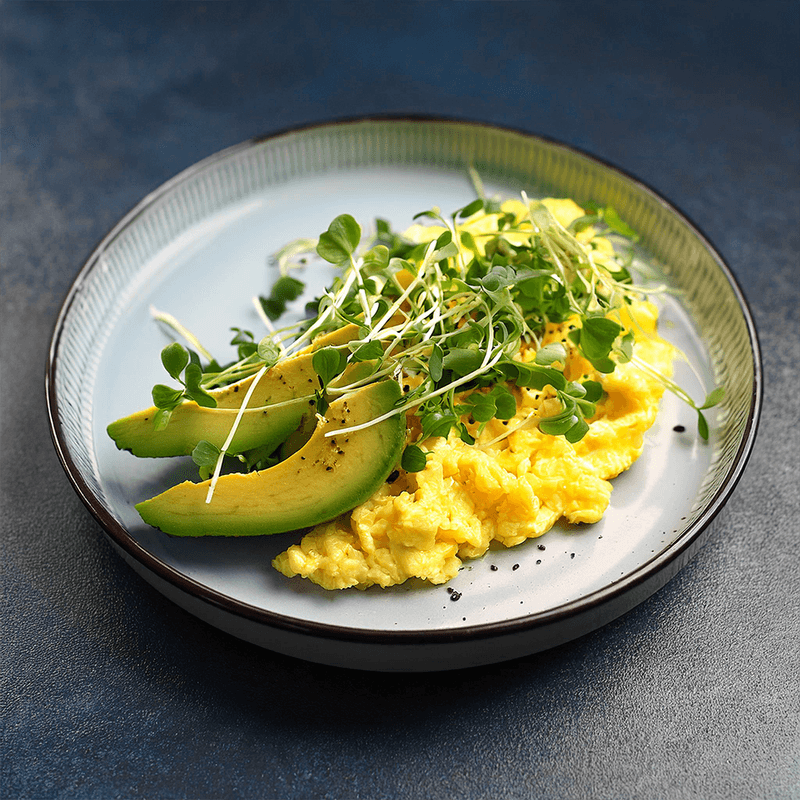
For breakfast, add microgreens to a vegetable and egg scramble cooked in avocado oil. Pair with roasted sweet potatoes and sliced avocado for a balanced start to the day. The fresh greens lighten the richness of the eggs and add a crisp texture.
At lunch, build a hearty paleo bowl. Start with a base of mixed greens or cauliflower rice. Add grilled chicken or grass-fed steak, roasted vegetables, and a drizzle of olive oil. Finish with a generous handful of microgreens for paleo diets to enhance flavor and nutrient density.
For dinner, top a wild-caught salmon fillet with lemon juice and a layer of broccoli microgreens just before serving. The warmth of the fish slightly softens the greens while preserving their freshness. You can also fold microgreens into lettuce wraps filled with seasoned ground turkey, shredded carrots, and cucumber.
Microgreens work beautifully in raw preparations as well. Toss them into salads with mixed greens, nuts, and berries. Blend mild varieties into paleo-friendly green smoothies with coconut milk and frozen fruit. Use them as a garnish for soups made from roasted squash or bone broth.
Because they are delicate, it is best to add microgreens at the end of cooking. This preserves both their texture and nutrient profile while maximizing microgreens for paleo benefits.
Where to Find Microgreens for Paleo
Quality sourcing is essential when following a paleo lifestyle. Whole foods grown with care align best with the philosophy of eating close to nature. When you buy microgreens for paleo meals, look for local farms that prioritize clean growing methods.
Controlled environment farms offer consistent quality and protection from harsh weather conditions. At The People’s Farm in Las Vegas, microgreens are cultivated using sustainable hemp mats with only water and oxygen. This method avoids synthetic chemicals and supports a clean, reliable harvest.
Conclusion
Microgreens for paleo diets offer a simple yet powerful way to increase nutrient density, flavor, and variety. They align naturally with paleo principles by being whole, unprocessed, and plant-based. Understanding how to use microgreens in paleo recipes opens the door to creativity in the kitchen. Whether added to breakfast scrambles, protein-rich bowls, fresh salads, or grilled seafood, they bring brightness and balance to every plate.
When you buy microgreens for paleo living from a trusted local source like The People’s Farm, you invest in freshness, purity, and innovation. In a wellness-driven community like Las Vegas, incorporating thoughtfully grown microgreens into paleo meals is a meaningful step toward vibrant, nutrient-rich eating.