
Why Microgreens Are Great for Gluten-Free
One of the main concerns in gluten-free eating is avoiding hidden gluten while still enjoying satisfying meals. Microgreens for gluten-free diets are naturally free from gluten because they come from vegetables and herbs rather than wheat, barley, or rye.
Microgreens for gluten-free benefits extend well beyond safety. Many gluten-free packaged foods rely on refined starches that may lack fiber and key nutrients. By contrast, microgreens provide whole food nutrition in its most vibrant form. Adding them to meals helps increase nutrient intake without relying on processed substitutes.
Flavor is another advantage. Gluten-free meals sometimes depend heavily on sauces or seasonings to create depth. Microgreens offer natural flavor intensity. Peppery radish microgreens can brighten a rice bowl. Mild pea shoots can soften the richness of roasted vegetables. Sunflower microgreens add satisfying texture to gluten-free wraps or sandwiches made with almond or rice-based bread.
Because The People’s Farm grows microgreens in a soil-free, controlled environment, the risk of contamination is minimized. Clean growing practices are especially important for individuals with celiac disease who must avoid even trace amounts of gluten. Choosing carefully cultivated greens supports both health and peace of mind.
Key Nutrients for Gluten-Free Diets
When removing gluten from the diet, it is essential to focus on nutrient diversity. Microgreens for gluten-free diets provide a concentrated source of vitamins, minerals, and plant compounds that support energy, digestion, and immune function.
Many varieties contain higher levels of certain nutrients compared to their mature vegetable counterparts. This means a small handful can significantly enhance the nutritional value of a meal. For individuals who may experience digestive challenges, nutrient-dense foods in small portions can be especially beneficial.
Broccoli, kale, and arugula microgreens are rich in phytonutrients that support overall wellness. They pair beautifully with naturally gluten-free staples such as quinoa, sweet potatoes, legumes, eggs, and lean proteins. When thoughtfully combined, these foods create meals that feel abundant rather than limited.
Vitamins and Fiber
Gluten-free diets can sometimes fall short in B vitamins and fiber if whole grains are not adequately replaced. Microgreens help bridge that nutritional gap. Wide varieties provide vitamin C, vitamin K, and beta carotene, along with trace amounts of B vitamins that contribute to energy metabolism.
Fiber plays an essential role in digestive health. While microgreens are not as fiber-rich as mature vegetables, they still contribute to daily intake and help diversify plant consumption. Layering microgreens into salads, grain bowls, smoothies, and lettuce wraps increases overall fiber intake in a simple and natural way.
The vibrant colors found in microgreens reflect their antioxidant content. Antioxidants help protect cells from oxidative stress and support long-term wellness. For individuals managing inflammation or digestive discomfort, incorporating a range of colorful plant foods can support a more balanced internal environment.
Gluten-Free Microgreen Recipes
One of the most common questions is how to use microgreens in gluten-free meals. Fortunately, their versatility makes them easy to incorporate into nearly every meal of the day.
For breakfast, add a handful of microgreens to a vegetable omelet or tofu scramble. They pair well with avocado and roasted sweet potatoes. You can also blend mild varieties such as pea shoots into a smoothie with banana, almond milk, and spinach for a fresh nutrient boost.
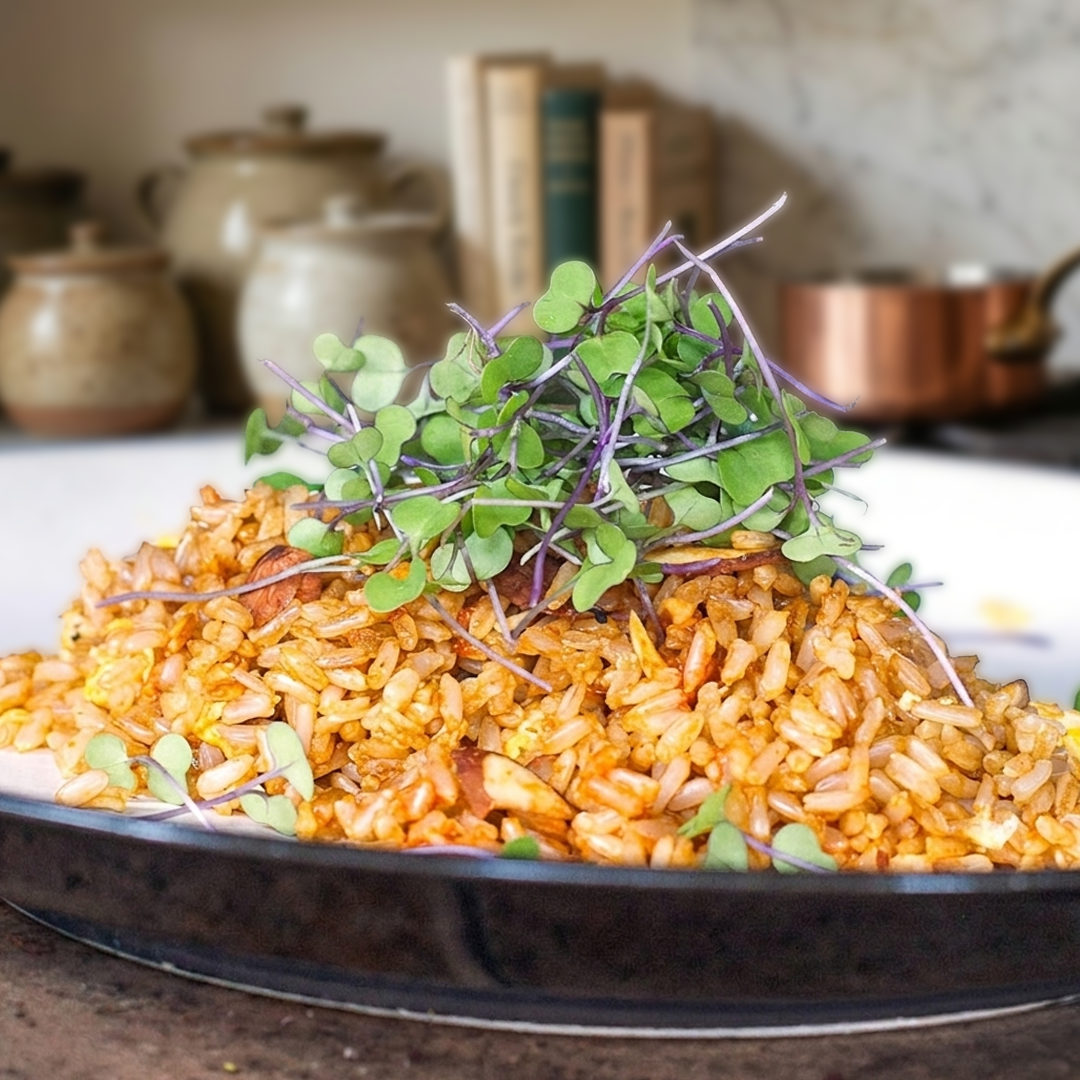
At lunch, create a gluten-free grain bowl with quinoa or brown rice as the base. Add roasted vegetables, grilled chicken or chickpeas, and finish with a generous layer of microgreens. The greens provide brightness and a satisfying crunch that enhances the entire dish.
Dinner offers even more possibilities. Top gluten-free pasta made from lentils or chickpeas with fresh microgreens just before serving. Stir them gently into zucchini noodles with olive oil and garlic. Add them to lettuce wraps filled with seasoned turkey or black beans. Even a simple baked salmon fillet becomes more vibrant with a finishing handful of arugula microgreens.
Microgreens also shine in raw dishes. Toss them into salads with citrus dressing. Layer them onto gluten-free flatbreads. Use them as a fresh bed beneath grilled vegetables. Because they are delicate, it is best to add them after cooking to preserve their texture and nutritional integrity.
Where to Source Microgreens for Gluten-Free
Sourcing high-quality greens is just as important as choosing gluten-free ingredients. When you buy microgreens for gluten-free meals, look for farms that prioritize clean cultivation and transparency.
Controlled environment agriculture offers consistency and safety. Indoor systems protect crops from unpredictable weather and environmental contaminants. At The People’s Farm in Las Vegas, microgreens are cultivated using only water, oxygen, and sustainable hemp mats. This beyond organic approach ensures purity and exceptional freshness.
Microgreens for gluten-free diets are more than a decorative garnish. They are a powerful nutritional tool that supports balance, creativity, and enjoyment in the kitchen. By incorporating thoughtfully grown microgreens into everyday cooking, gluten-free eaters can create plates that are colorful, satisfying, and aligned with long-term wellness.
Conclusion
Microgreens for gluten-free diets offer far more than visual appeal. They provide concentrated nutrition, fresh flavor, and natural safety for those avoiding gluten. Whether you are managing celiac disease, gluten sensitivity, or simply choosing a gluten-free lifestyle, these vibrant greens help transform everyday meals into nourishing experiences.
From boosting vitamin intake to increasing plant diversity and fiber, microgreens for gluten-free benefits support balanced and satisfying eating. Learning how to use microgreens in gluten-free cooking opens the door to creativity without complexity.
Gluten-free living does not have to feel limiting. With thoughtfully grown microgreens on your plate, it can feel colorful, abundant, and deeply nourishing.