
Why Microgreens Benefit Eye Health
Eye health is linked to blood vessel function, immunity, and managing oxidative stress. Stress increases from factors like bright light, pollution, and poor sleep. Microgreens provide concentrated nutrients that support this daily protection.
Greens like kale, red cabbage, sunflower, and broccoli microgreens are especially rich in eye-friendly nutrients like vitamin A, lutein, and zeaxanthin. These antioxidants help protect the retina from harmful light and inflammation, acting as a shield for long-term eye protection.
Additionally, microgreens brighten meals, which usually means more nutrients. To Microgreens for eye health, simply add them to meals you already enjoy, and it will already make a great difference in your overall health.
Key Nutrients for Vision
Your eyes are complex organs that rely on a steady supply of nutrients to function well and stay healthy over time. Vitamins, minerals, and antioxidants all play unique roles in protecting vision, reducing oxidative stress, and supporting the delicate tissues of the retina and cornea.
Eye health isn’t just about nutrients; it’s also about hydration. Adequate water intake helps maintain tear production, reduces dryness, and supports overall comfort, especially in environments with screens or air conditioning.
Microgreens are young plants harvested just after sprouting, and they pack a nutritional punch far greater than their mature counterparts. They provide vitamins C and K, carotenoids, and phytonutrients that support eye function. Microgreens fit seamlessly into a diet rich in whole foods and low in processed options. Combined with colorful vegetables, omega-3-rich fish, whole grains, and lean proteins, they form part of a balanced approach that nourishes your eyes and your body as a whole.
Eye health thrives on balance, not a single ingredient. Microgreens shine brightest when paired with healthy fats like olive oil, avocado, or nuts, which help unlock their nutrients. It’s the synergy of these foods working together that makes them truly powerful.
Vitamin A and Lutein
Vitamin A supports normal vision and is commonly linked with the ability to see well in low-light conditions. Lutein is a carotenoid associated with the macula, an area important for central vision. Many leafy greens contain lutein and related carotenoids, and microgreens can help you include more leafy greens in your day.
For a vision supportive plate, combine microgreens with orange and red produce like carrots, sweet potatoes, peppers, or tomatoes. Add a small amount of healthy fat like olive oil or seeds. This approach supports both nutrient variety and absorption.
Eye Healthy Microgreen Recipes
- Breakfast: Start your morning with a carrot ginger smoothie bowl. Blend carrots, orange segments, a small piece of ginger, and a splash of water or coconut water until smooth. Pour into a bowl and top with chia seeds, pumpkin seeds, and a small handful of mild microgreens.
- Lunch: Make a red pepper lentil salad. Mix cooked lentils with diced red bell pepper, cherry tomatoes, chopped cucumber, and a simple olive oil and lemon dressing. Fold in microgreens right before eating so they stay crisp.
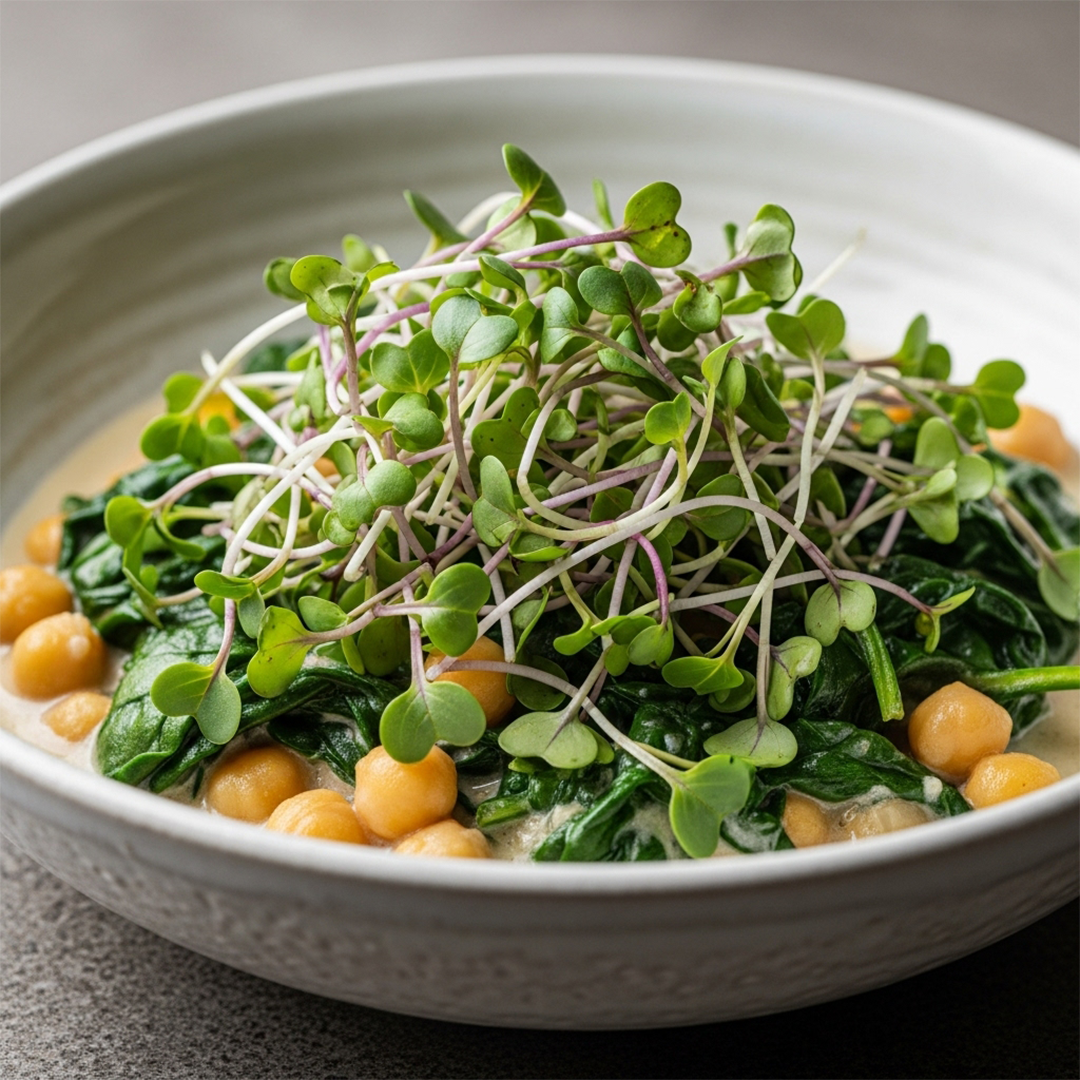
- Dinner: Try a turmeric coconut stew finish. Make a simple stew with chickpeas, spinach, turmeric, and coconut milk. When you serve it, add a generous handful of microgreens on top and squeeze lime.
- Snacks: Try a blueberry walnut cup. Mix blueberries with walnuts and a small spoon of yogurt, then add a pinch of microgreens on the side as a palate cleanser. Another snack idea is a crunchy trail mix salad. Toss microgreens with sunflower seeds, dried apricots, and a squeeze of lemon.
This daily plan shows how microgreens for eye health can be seamlessly integrated into every meal. Paired with colorful produce, healthy fats, and hydration, they help protect your vision while keeping meals fresh, flavorful, and satisfying.
Where to Find Microgreens for Eye Health
Because microgreens are delicate, freshness and quality are key. Look for growers who harvest close to delivery, store them properly, and prioritize clean handling. Fresh microgreens should be vibrant and crisp, not limp or soggy. Local sourcing can shorten the time between harvest and your plate.
If you’re in Las Vegas, The People’s Farm grows microgreens in a controlled environment for consistency. We offer a range of microgreens ideal for vision support, including sunflower, broccoli, and rainbow mix varieties. Choose microgreens you enjoy and keep them visible in your fridge. Use them as a finishing touch rather than waiting for the perfect recipe. To build the habit, try adding them to one meal with orange or red produce each day, like a carrot bowl or tomato salad. This helps make microgreens part of your routine.
Conclusion
Microgreens for eye health are a simple, flavorful way to support your vision through everyday meals. They fit into a routine built on leafy greens, colorful produce, and antioxidants, with healthy fats that support absorption.
Microgreens are a powerful addition to your diet, but they work best as part of a diverse, nutrient-rich eating pattern. Think of them as one piece of the puzzle in protecting and enhancing your vision for years to come. The best approach is not perfection, it’s consistency. Use microgreens as the finishing touch on meals that include bright colors like carrots, tomatoes, peppers, and citrus. Keep it colorful, keep it simple, and give your eyes a little support every day.
At The People’s Farm, we’re proud to grow microgreens that support health and happiness. Naturally, sustainably, and locally. If you’re looking to nourish your body and protect your vision, there’s no better place to start than with a handful of microgreens.