
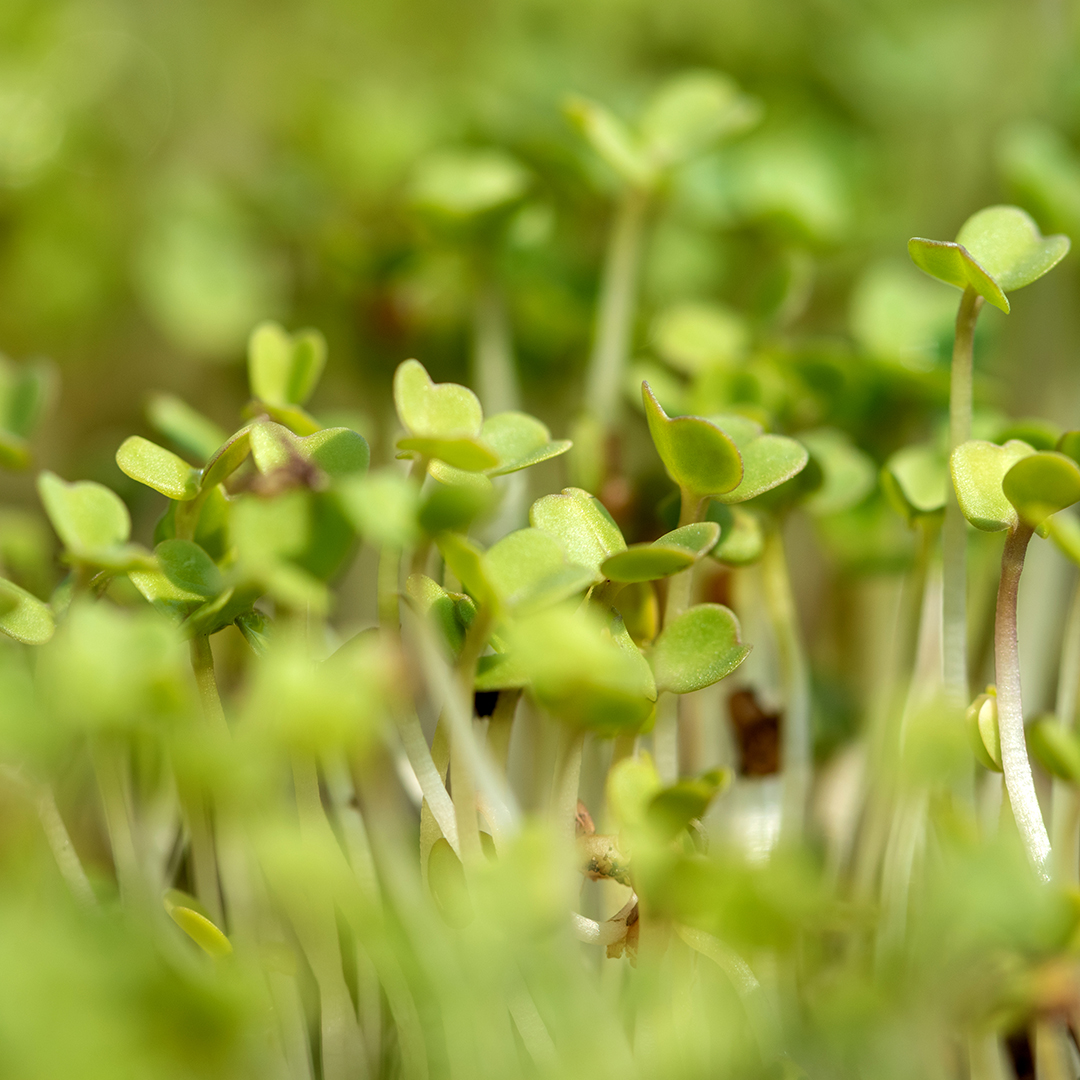
Why Microgreens Fit Easily Into Meals
Microgreens are easy to use because they are fresh, delicate, and versatile. You can enjoy them raw, blend them into drinks, or add them at the end of cooking for a bright finishing touch.
They work well with simple meals because they do not need much seasoning to stand out. A handful of microgreens can make a sandwich more flavorful, a salad more interesting, or a bowl more colorful.
Simple Greens for Breakfast, Lunch, Dinner, and Snacks
One of the best things about microgreens is how flexible they are. Sugar pea microgreens can brighten breakfast plates and smoothies. Sunflower microgreens add crunch to lunch wraps and salads. Broccoli microgreens blend easily into bowls, soups, and fresh snacks.
Because each variety has a different flavor and texture, you can choose the one that best fits your meal.
Everyday Benefits of Adding Microgreens
Microgreens are known for their concentrated nutrients, including vitamins, minerals, antioxidants, and beneficial plant compounds. They can be a simple way to add more greens to your day without changing your entire diet.
Instead of thinking of them as a specialty ingredient, use them as an easy upgrade for meals you already make.
Practical Ways to Eat Microgreens
Add Microgreens to Salads
Salads are one of the easiest ways to enjoy microgreens. You can use them as the main green in a small salad or mix them into a larger salad for extra flavor and texture.
Sunflower microgreens add a hearty crunch, sugar pea microgreens bring a sweet and fresh bite, and broccoli microgreens offer a mild green flavor that pairs well with many dressings. Add cucumber, avocado, citrus, grains, or your favorite protein for a balanced meal.
Use Microgreens in Sandwiches and Wraps
Microgreens are a great replacement for lettuce in sandwiches and wraps. They add texture, flavor, and color while keeping the meal fresh.
Sunflower microgreens work especially well in wraps because they are crisp and satisfying. Sugar pea microgreens are delicious with avocado, tomato, cucumber, and light spreads. Broccoli microgreens are mild enough to pair with almost any sandwich filling.
Add them just before serving so they stay fresh and crisp.
Blend Microgreens Into Smoothies
Smoothies are a simple way to enjoy microgreens, especially if you want a quick green boost in the morning.
Sugar pea microgreens are a great choice because their sweet, fresh flavor blends well with fruit. Broccoli microgreens are mild and easy to combine with banana, pineapple, citrus, or coconut water. Sunflower microgreens can also be added when you want a slightly heartier green smoothie.
Blend a small handful with fruit, liquid, and a creamy ingredient like avocado or yogurt for a smooth, refreshing drink.
Use Microgreens as a Garnish for Soups and Bowls
Microgreens are perfect for finishing soups, grain bowls, rice bowls, and warm vegetable dishes. They add color and freshness right before serving.
The key is to add them at the end instead of cooking them for a long time. This helps preserve their texture and bright flavor.
Try broccoli microgreens over soup, sunflower microgreens on a quinoa bowl, or sugar pea microgreens over rice, eggs, or roasted vegetables.
Snack on Microgreens with Dips
Microgreens can also be used as a quick snack. Pair them with dips like hummus, guacamole, yogurt dip, or a light dressing.
Sunflower microgreens are especially good for snacking because they have a crunchy texture. Sugar pea microgreens are sweet and refreshing, making them easy to enjoy with sliced vegetables or crackers. Broccoli microgreens add a mild green bite to snack plates.
Add Microgreens to Pizza
Microgreens can make pizza feel fresher and more balanced. Add them after the pizza comes out of the oven so they stay crisp and bright.
Sunflower microgreens add crunch, sugar pea microgreens add sweetness, and broccoli microgreens bring a mild, fresh finish. They pair well with cheese, tomato sauce, vegetables, and olive oil.
Fold Microgreens Into Stir-Fries
Microgreens can be added to stir-fries, but timing matters. Add them right at the end, just before serving, so they soften slightly without losing all their texture.
Sugar pea microgreens work well in noodle dishes and vegetable stir-fries because of their sweet flavor. Sunflower microgreens add a hearty bite, while broccoli microgreens bring a mild green finish.
Use them as a final fresh layer rather than a long-cooked ingredient.
Make Microgreens Pesto
Microgreens can also be blended into a fresh pesto-style sauce. Combine broccoli microgreens, sunflower microgreens, or sugar pea microgreens with olive oil, garlic, lemon juice, nuts or seeds, and a pinch of salt.
Blend until smooth, then use it as a pasta sauce, sandwich spread, dip, or topping for roasted vegetables.
Sunflower microgreens create a richer, nuttier pesto, while broccoli microgreens and sugar pea microgreens make a lighter, fresher version.
Making Microgreens a Regular Part of Your Diet
The easiest way to eat microgreens regularly is to keep them visible and ready to use. Add a handful to one meal each day, then experiment from there.
Start with simple meals like salads, sandwiches, smoothies, bowls, and snacks. Once you know which variety you enjoy most, it becomes easy to include microgreens throughout the week.
Conclusion
Microgreens are practical, versatile, and simple to add to everyday meals. Whether you blend sugar pea microgreens into a smoothie, add sunflower microgreens to a sandwich, or sprinkle broccoli microgreens over a warm bowl, each variety brings something fresh to the table. With just a handful, you can make your meals more colorful, flavorful, and nourishing.